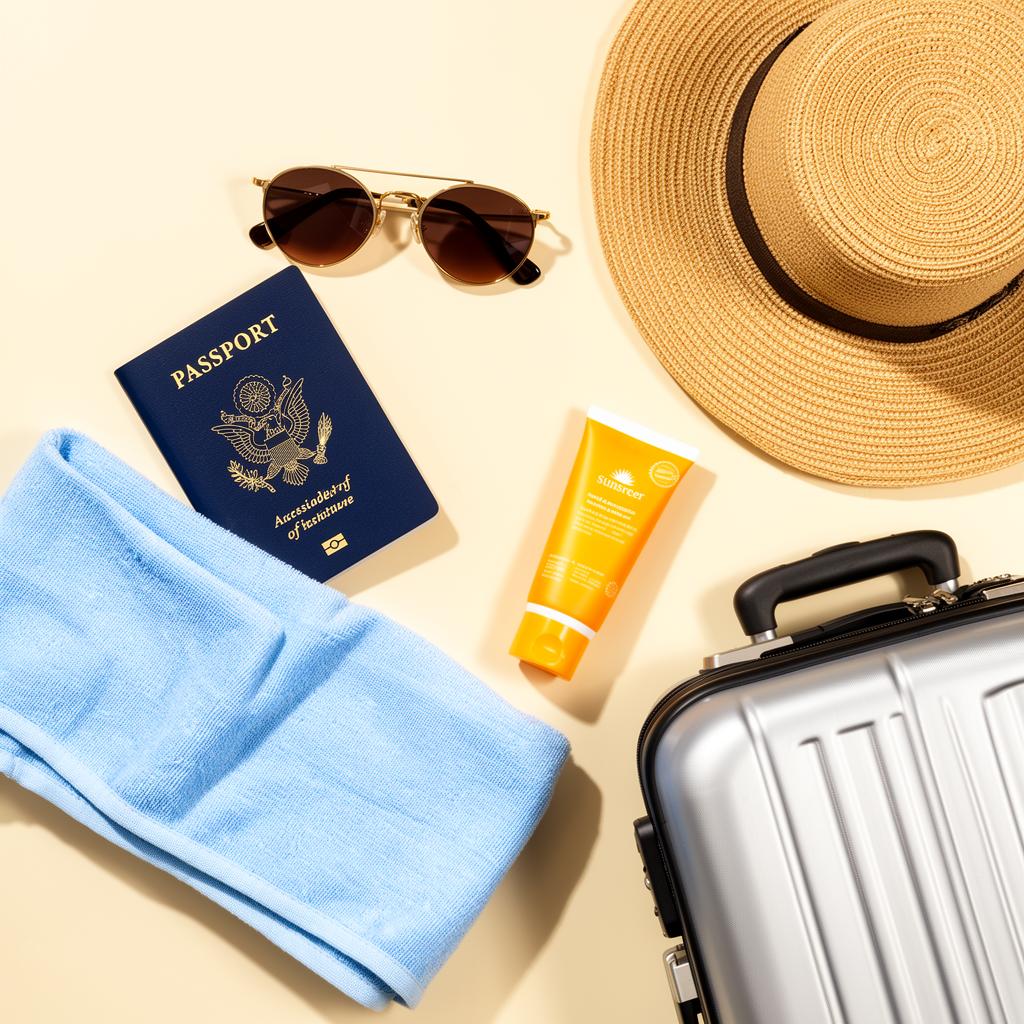
You Can Still Travel
Let's start with the most important thing: MS does not mean you can't travel. It means you travel differently. With planning, pacing, and the right support, travel can be one of the most rewarding parts of life with MS, a reminder that the world is still yours to explore.
Pre-Trip Planning
Choose Your Destination Wisely
- Climate matters. If heat sensitivity is a factor, consider cooler destinations or travel during temperate seasons
- Accessibility. Research wheelchair/mobility access, terrain, distances between attractions
- Medical access. Know where the nearest hospital is, especially for international travel
- Time zone changes. Jet lag compounds MS fatigue. Crossing fewer time zones means easier adjustment
Build in Recovery Days
The biggest mistake: scheduling activities for every day of a trip. Instead:
- Alternate active and rest days. Day 1: explore. Day 2: pool, reading, slow morning
- Front-load activities. You'll have more energy at the start of a trip
- Plan a recovery day at the end. Return home a day before you need to function normally
Medication Planning
- Carry medications in your carry-on. Never check them
- Bring extra. At least 3-4 extra days' worth in case of delays
- Know your medications' generic names. Brand names differ internationally
- Carry a medication list. Including dosages, prescribing doctor, and pharmacy contact
- Time zone adjustments. Work with your neurologist on medication timing if crossing multiple zones
The MS Travel Packing List
Beyond normal travel items, consider:
Cooling Gear:
- Cooling vest or cooling towel
- Handheld fan (battery-operated)
- Insulated water bottle for ice water
Comfort:
- Compression socks for flights (reduces leg swelling and fatigue)
- Supportive walking shoes (not the time for fashion)
- Earplugs and eye mask for sleep
- Small pillow for lumbar support
Medical:
- Medications in original bottles
- Letter from neurologist describing your condition and medications
- Insurance cards and emergency contact list
- Portable TENS unit if you use one
Energy Management:
- Snacks (protein-rich, non-perishable)
- Electrolyte packets
- Your daily tracking app (Myelina Health works offline for check-ins)
Transportation Tips
Flying
- Request wheelchair assistance. Even if you can walk. Airport distances are enormous, and saving leg energy for your actual trip is smart, not lazy.
- Aisle seats. Easier to stand and stretch periodically
- Move hourly. Walk the aisle or do seated exercises to prevent stiffness
- Stay hydrated. Cabin air is incredibly dry. Drink water aggressively.
- Wear compression socks. Reduces fatigue and swelling
Driving
- Stop every 90 minutes. Walk, stretch, cool down
- Use cruise control. Reduces leg fatigue
- AC on blast. Keep the car cool
- Share driving. Don't try to be the hero. Driving with MS fatigue is a safety issue.
Trains and Buses
- Often less stressful than flying (no security, more legroom)
- Book first class if possible, more space, fewer sensory demands
- Bring your own food and water
During Your Trip
The 60% Rule
Plan to use only 60% of what you think you can do. That leaves a 40% buffer for unexpected energy demands, heat, sensory overload, or that amazing sunset hike you didn't plan for.
Hotel Strategies
- Request a room near the elevator. Minimize walking with luggage
- Ask about room temperature control. Individual AC is much better than central
- Bring your own pillow (or pillowcase). Familiar sleep cues help with travel insomnia
- Use the "Do Not Disturb" sign. Protect your nap time
Eating Well on the Road
- Keep protein bars and nuts in your bag at all times
- Eat regularly, blood sugar drops compound fatigue
- Stay hydrated, especially in warm climates
- Don't feel guilty about room service on rest days
When to Push and When to Rest
This is the hardest part. You're somewhere beautiful. There's so much to see. And you're exhausted.
Push when:
- You're at a 5-6 energy and it's a once-in-a-lifetime experience
- You can rest immediately after
- The activity is seated or low-impact
Rest when:
- You're below a 4
- You've already pushed today
- Tomorrow has a planned activity you don't want to miss
- Your body is sending clear signals (legs heavy, vision changes, cognitive fog)
Traveling With Others
Set Expectations Early
Before the trip, have an honest conversation: "I'll need some rest days. You don't have to rest with me, go explore and tell me about it over dinner."
Separate Activities Are Okay
You don't have to do everything together. Your travel companion can take the 3-hour walking tour while you sit in a café people-watching. You'll both have stories to share.
The Guilt Issue
You might feel guilty for "holding people back." Here's the reframe: you're not holding anyone back by taking care of yourself. You're ensuring you can be present and enjoy the parts of the trip you do participate in, rather than pushing through and being miserable for all of it.
Track your energy during travel with Myelina Health, even a quick check-in helps you pace your trip and creates a record of what worked for future travel planning.