The Classic Fatigue Diary
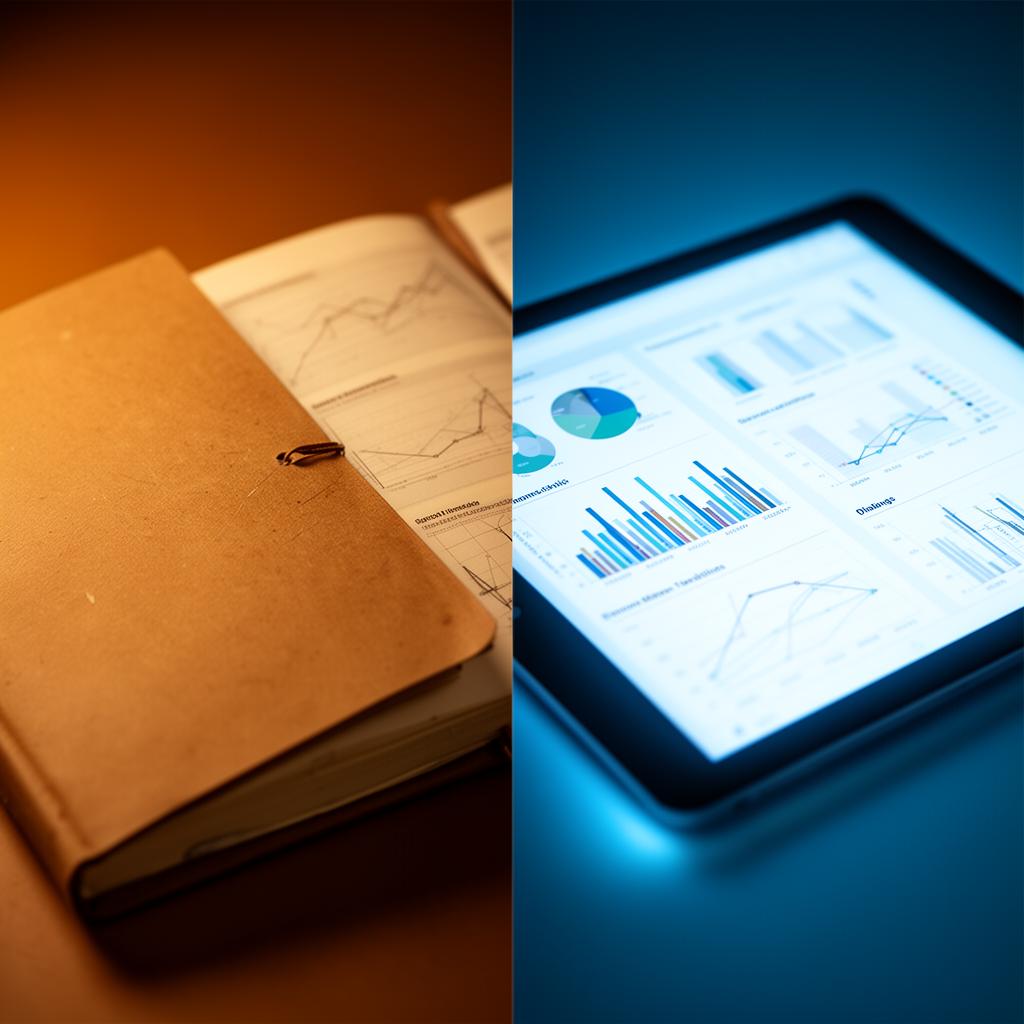
For decades, the standard advice from neurologists has been: "Keep a fatigue diary." Write down how you feel each day. Note what you did. Look for patterns.
It's simple. It's free. It doesn't require technology. And for many people, it works, at least initially.
Strengths of Paper Diaries
- No learning curve. Pen, paper, done
- Tactile and personal. Some people process better through writing
- No battery, no app crashes, no updates
- Full flexibility. Track anything in any format
- Private. No data on servers, no accounts
Limitations of Paper Diaries
- No pattern analysis. Your brain is terrible at spotting trends across weeks and months of data. We overweight recent events, forget good days, and struggle with multivariate analysis.
- Inconsistent. Easy to skip days, forget details, or change your rating scale over time
- No prediction. A diary looks backward. It can't tell you what tomorrow will look like.
- Hard to share. Bringing a notebook to your neurologist appointment isn't impossible, but it's not efficient
- Adherence drops. Studies show paper diary adherence drops below 50% after 4-6 weeks
AI-Powered Energy Tracking
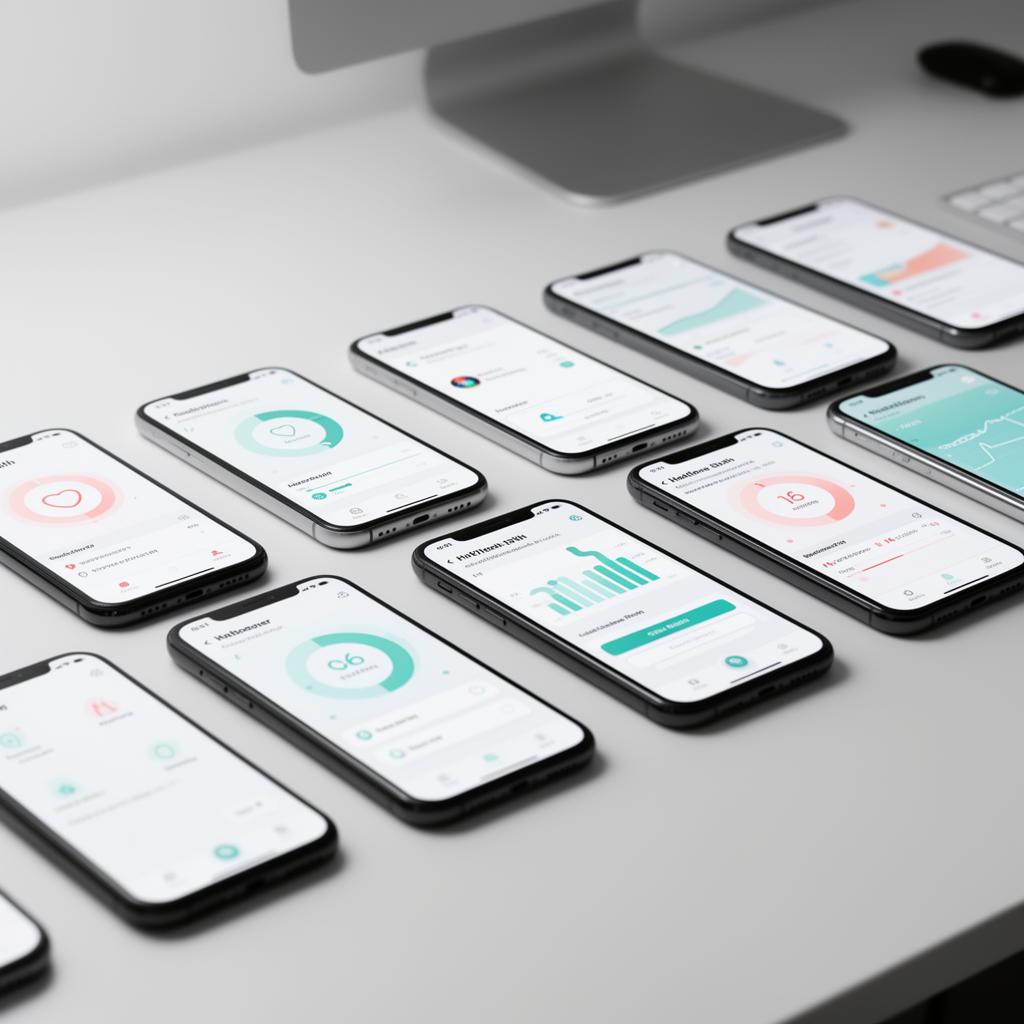
Digital tools, especially those using AI and pattern recognition, take a fundamentally different approach. Instead of just recording what happened, they analyze your data to find patterns and make predictions.
How AI Tracking Works
- You input data. A quick daily check-in (30 seconds to 5 minutes)
- The system compares. Your today gets compared to every other day in your history with similar inputs
- Patterns emerge. After 2-3 weeks, the system identifies correlations you'd never spot manually
- Predictions form. Based on your morning inputs, the system predicts how your day is likely to unfold
- Accuracy improves. The more data, the better the predictions. Your personal model gets smarter over time.
Strengths of AI Tracking
- Pattern recognition at scale. Can analyze months of multivariate data instantly
- Predictive capability. Shifts from reactive ("yesterday was bad") to proactive ("today will probably be a yellow day")
- Consistency reminders. Push notifications help maintain adherence
- Visual insights. Charts, graphs, and Energy Maps make patterns visible
- Shareable. Export data for neurologist appointments or family conversations
- Higher adherence. Quick check-ins and engaging interfaces maintain habit formation
Limitations of AI Tracking
- Requires technology. Phone, internet, basic tech comfort
- Privacy considerations. Your health data is on a server (look for apps with strong encryption and data ownership policies)
- Prediction isn't perfect. AI can identify likely patterns, not guaranteed outcomes
- Learning period. Predictions need 2-3 weeks of data before they become useful
Head-to-Head Comparison
Adherence (Who Actually Sticks With It)
Winner: AI tracking. Studies on digital health interventions consistently show higher long-term adherence for app-based tracking compared to paper diaries, primarily due to reminders, quick input methods, and rewarding visual feedback.
Insight Quality
Winner: AI tracking. The human brain cannot perform multivariate analysis across months of health data. It's not a willpower issue, it's a cognitive limitation. AI excels precisely where human pattern recognition fails.
Accessibility
Winner: Paper diary. No technology required, no accounts, no privacy concerns. For people who aren't comfortable with technology, paper is more accessible.
Cost
Winner: Tie. Paper diaries cost almost nothing. Many AI tracking apps have free tiers. Premium features typically cost $5-20/month.
Emotional Value
Winner: It depends. Some people find the act of writing therapeutic, it's a form of processing. Others find the visual energy predictions of AI tools empowering. This is personal.
The Hybrid Approach
You don't have to choose one or the other. Many women with MS use a hybrid approach:
- AI app for daily tracking and prediction. Quick, consistent, data-driven
- Paper journal for emotional processing. When you need to write through feelings, not just rate them on a 1-10 scale
- AI data for clinical conversations. Share trends with your neurologist
- Paper notes for contextual details. The story behind the numbers
Making the Transition
If you're currently using a paper diary and considering digital:
- Start with both. Run paper and digital in parallel for 2 weeks
- Compare. Did the app catch a pattern you missed on paper?
- Gradually lean digital. Use the app for daily tracking, paper for weekly reflection
- Give it 30 days. Prediction accuracy improves significantly after the first month of data
The Bottom Line
Paper diaries are better than nothing. AI tracking is better than paper diaries. The best tool is the one you'll actually use.
Myelina Health was designed to make the "I'll actually use it" bar as low as possible, a 30-second morning check-in that delivers a visual Energy Map. No extensive journaling, no complicated interfaces. Just quick data in, actionable predictions out.