The Problem With "How Are You Feeling?"
When your neurologist asks "How have you been since last visit?", what do you say? Most of us default to vague answers: "Okay, I guess" or "It's been rough." We forget the good days, overweight the bad ones, and can't pinpoint exactly when things shifted.
This isn't a memory problem. It's a data problem. And solving it changes everything about how you manage MS.
What Energy Tracking Actually Means
Energy tracking isn't about obsessively logging every symptom. It's about capturing a few key data points consistently enough to reveal patterns you can't see in real time.
The Core Metrics Worth Tracking
Not all data is equally useful. After working with thousands of women with MS, these five metrics consistently provide the most actionable insights:
- Energy level (1–10). Your subjective sense of available energy right now
- Sleep quality (1–10). Not just hours, but how restorative sleep felt
- Cognitive clarity (1–10). Can you think clearly, make decisions, hold a conversation?
- Stress level (1–10). Both perceived stress and physical stress responses
- Body symptoms (1–10). Pain, numbness, spasticity, or other physical symptoms
Why Simplicity Wins
Research on health tracking adherence shows a clear pattern: the more complex the tracking system, the faster people abandon it. A 30-second check-in you do every day for 90 days is infinitely more valuable than a detailed 15-minute journal you abandon after two weeks.
The Power of Pattern Recognition
After 2–3 weeks of consistent tracking, something remarkable happens: patterns emerge that were invisible to you before.
Common Patterns Women With MS Discover
- The Thursday dip. Many women find their energy reliably drops mid-to-late week as cumulative fatigue builds
- The weather connection. Barometric pressure changes, humidity, and temperature shifts often precede energy crashes by 12–24 hours
- The social hangover. Social events (even enjoyable ones) may cost more energy than expected, with the "bill" arriving the next day
- The hormone cycle. For premenopausal women, energy often follows a predictable pattern tied to the menstrual cycle
- The recovery window. How long it takes you to bounce back after overexertion, this is unique to each person
From Tracking to Prediction
The real magic of energy tracking isn't looking backward, it's looking forward. Once you have enough data, you can start predicting your energy before it happens.
How Prediction Works
Your morning check-in captures your current state. A prediction engine compares that state to your historical data, all the other mornings where your sleep, stress, and symptoms looked similar, and generates a visual Energy Map of how your day is likely to unfold.
This isn't fortune-telling. It's pattern matching against your own data. And it gets more accurate the longer you track.
What You Can Do With a Prediction
- Schedule strategically. Put important tasks in your predicted high-energy windows
- Cancel proactively. If a crash is likely, adjust plans before you're in the middle of one
- Communicate clearly. Show your Energy Map to family members: "Today looks like a yellow day. I'll need help with dinner"
- Pace with confidence. Rest during predicted dips without guilt, knowing it's data-driven, not laziness
Choosing the Right Tracking Method
Paper Journals
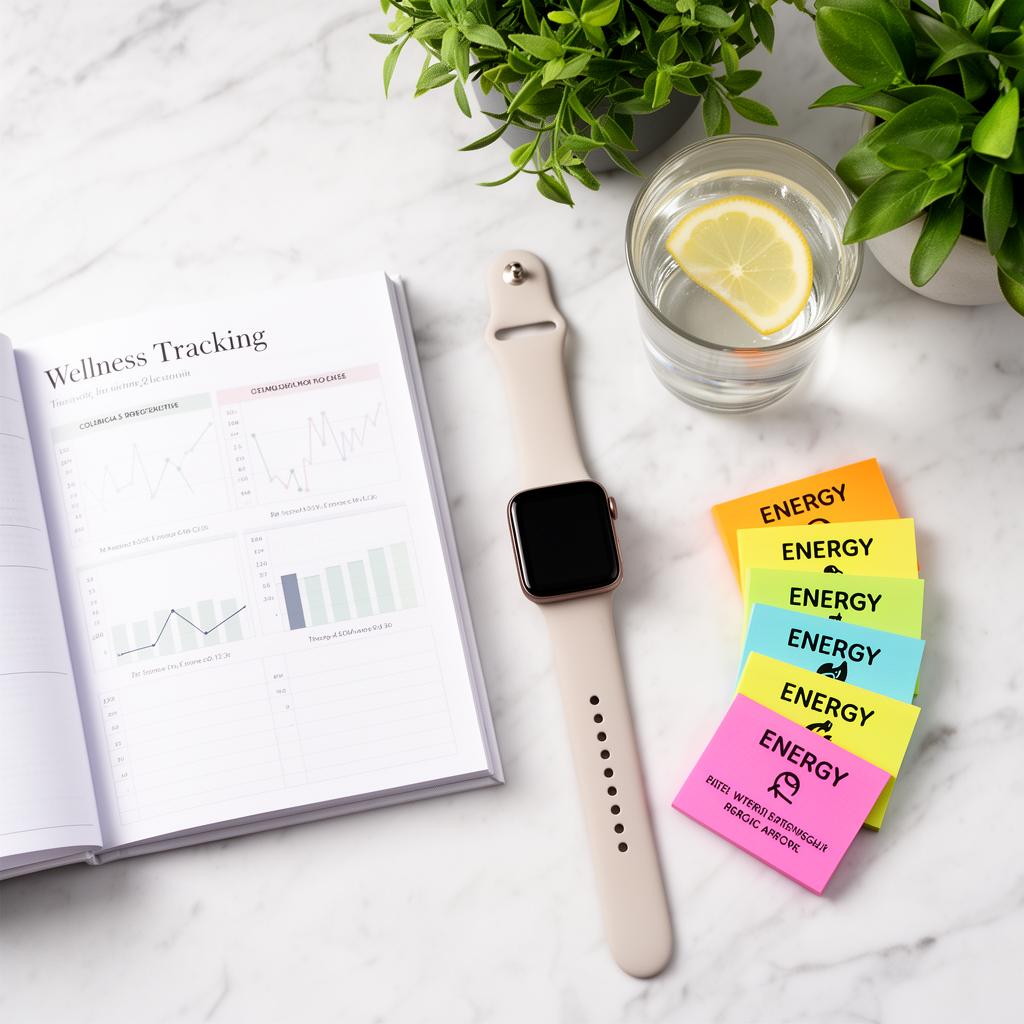
Pros: No technology required, tactile and personal Cons: No pattern analysis, easy to forget, hard to share with care team
Spreadsheets
Pros: Flexible, can create charts Cons: Manual entry, no predictions, requires discipline
Generic Health Apps
Pros: Convenient, some analysis features Cons: Not designed for MS, often overwhelming, track too many things
MS-Specific Energy Tools
Pros: Designed for MS fatigue patterns, quick check-ins, built-in prediction Cons: Newer category, fewer options available
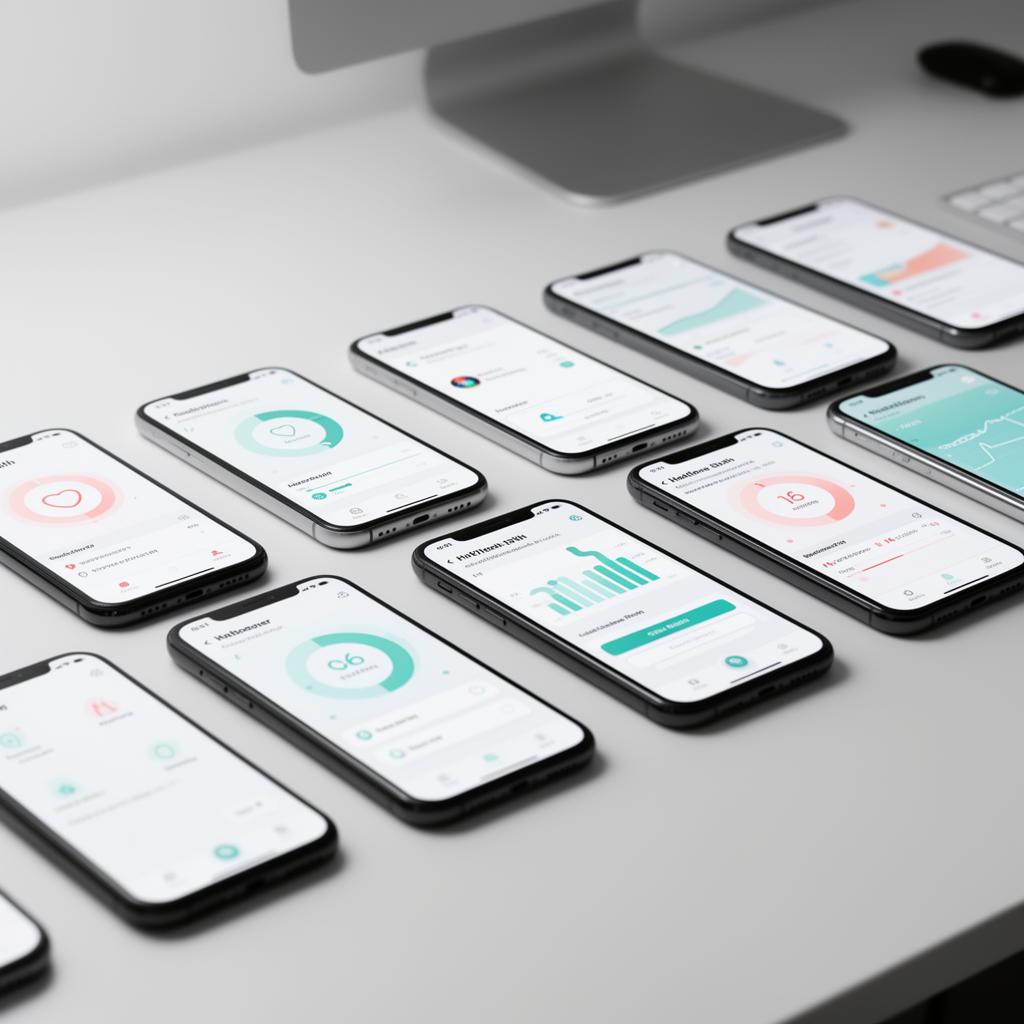
Myelina Health was built specifically for this use case, a 30-second morning check-in that generates a visual Energy Map and learns your patterns over time.
Getting Started: Your First Two Weeks
Week 1: Establish the Habit
- Set a daily reminder for your morning check-in (ideally within 30 minutes of waking)
- Don't overthink your ratings, first instinct is usually most accurate
- Skip a day? Don't stress. Just resume tomorrow.
Week 2: Start Noticing
- Review your week. What was your average energy? When were your peaks?
- Note any surprises, days that were better or worse than expected
- Look for your first pattern: is there a day of the week that's consistently different?
The Compound Effect of Consistent Tracking
Like compound interest in finance, the value of energy tracking compounds over time:
- Week 1–2: Building the habit
- Week 3–4: First patterns emerge
- Month 2–3: Predictions become useful
- Month 3–6: Deep insights about triggers and protective factors
- Month 6+: A comprehensive personal energy profile that fundamentally changes how you plan your life
The women who see the most benefit aren't the ones who track perfectly, they're the ones who track consistently. Even 5 days out of 7 is enough for meaningful pattern recognition.