Reclaiming Summer
For many people with MS, summer isn't a season, it's a threat. Uhthoff's phenomenon means that even a small increase in core body temperature can temporarily worsen fatigue, vision, balance, and cognition. But the right cooling tools can make a dramatic difference.
Cooling Vests
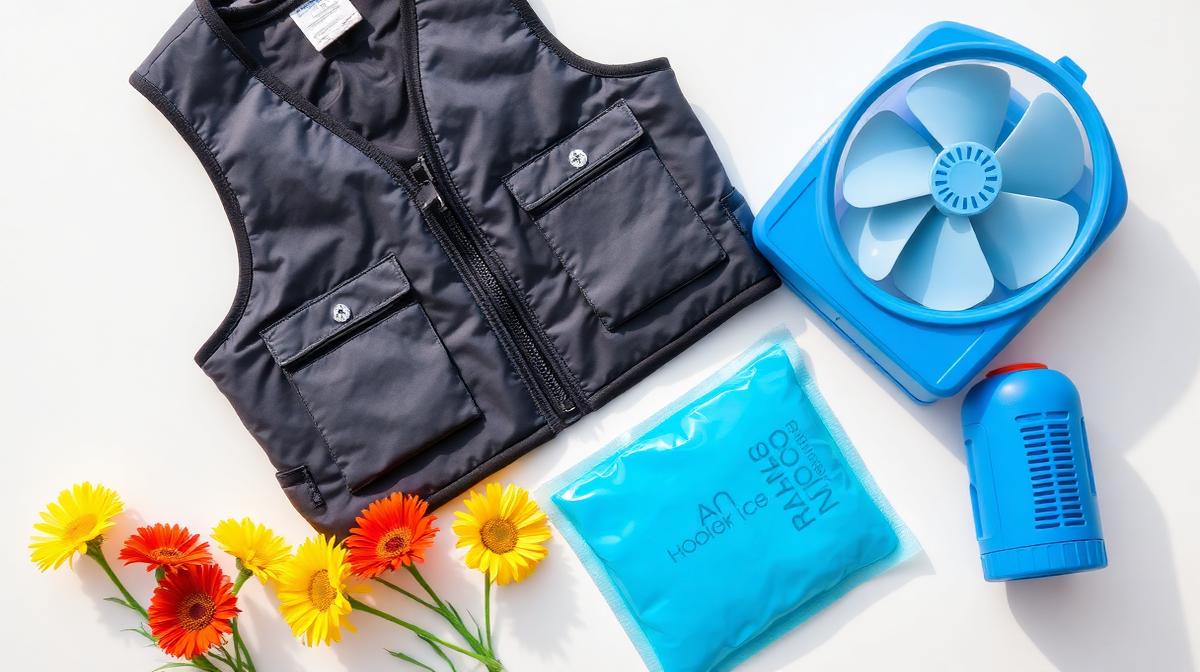
Cooling vests are the gold standard for MS heat management. There are three main types:
Evaporative vests. Soak in water, wring out, and wear. They cool through evaporation and work best in dry climates. Affordable ($30–60) but less effective in humid conditions.
Phase-change vests. Use special inserts that maintain a specific temperature (usually 59°F/15°C) for 2–4 hours. More effective than evaporative but heavier and pricier ($100–200).
Active cooling vests. Battery-powered with circulating coolant. Most effective but also most expensive ($200–500) and heaviest.
Neck and Wrist Coolers
Your neck and wrists have blood vessels close to the surface, making them ideal cooling points. Options include:
- Cooling towels. Wet, snap, and drape ($10–20). Portable and effective
- Gel neck wraps. Freeze and wear. Last 30–60 minutes
- Wrist cooling bands. Discreet and surprisingly effective for mild heat
Portable Fans
- Neck fans. Hands-free, worn like headphones. Battery lasts 4–8 hours
- Misting fans. Combine airflow with water mist for enhanced cooling
Indoor Solutions
- Cooling pillows. Gel-infused pillows for better sleep in warm months
- Bed cooling systems. Water-cooled mattress pads (game-changer for sleep quality)
- Blackout curtains. Keep rooms cooler and reduce the energy cost of AC
Building Your Cooling Kit
Start with a cooling vest and a neck cooler. These two items alone can extend your outdoor tolerance by 30–60 minutes. Add a portable fan for maximum effect.
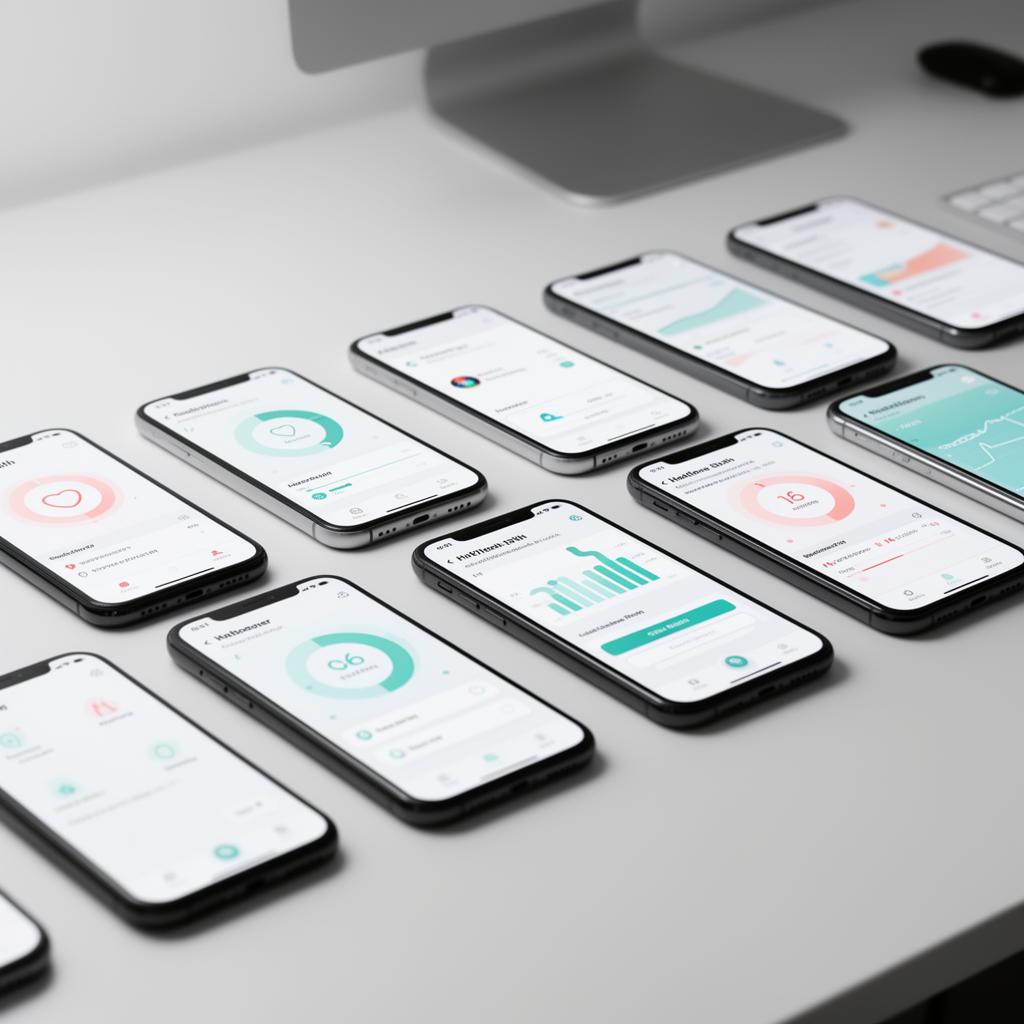
Track heat exposure and its impact using Myelina Health tags. Over time, you'll know exactly how much heat you can tolerate, and which cooling strategies give you the most recovery.