The Kitchen Energy Crisis
Cooking is a full-body, full-brain activity. It requires standing, reaching, chopping, monitoring heat, timing multiple elements, and making dozens of micro-decisions. For someone with MS, a single meal can cost as much energy as a healthy person's entire morning.
The result? Many women with MS default to convenience foods, skip meals, or eat whatever requires the least effort, regardless of nutritional value. This creates a vicious cycle: poor nutrition worsens fatigue, which makes cooking even harder.
Breaking this cycle starts with strategy, not willpower.
The MS Kitchen Setup
Before we talk about what to cook, let's talk about where you cook. Small environmental changes can dramatically reduce cooking energy:
Seated Cooking
- Bar stool at counter height. This single change can cut cooking energy by 30-40%. Choose a stool with a back and non-slip feet.
- Perching stool. A taller option that lets you lean while maintaining access to the stove and counter.
Organization
- Most-used items at waist height. No reaching up or bending down for everyday ingredients and tools.
- Group by meal. Keep breakfast items together, lunch items together. Reduces decision-making and searching.
- Prep station. A dedicated cutting area with everything within arm's reach: cutting board, knives, bowls, compost.
Tools That Reduce Effort
- Electric can opener, jar opener. Hand strength and grip are often affected by MS.
- Instant Pot or slow cooker. Dump ingredients, press a button, walk away. This is the MS kitchen MVP.
- Pre-cut vegetables. Yes, they cost more. But if the alternative is not eating vegetables at all, they're worth it.
- Lightweight pots and pans. Heavy cast iron is wonderful but not worth the energy cost. Switch to lightweight non-stick or ceramic.
The 3-Tier Meal System
Like the morning routine system, meals should adapt to your energy level:
Tier 1: Zero-Effort Meals (Red Days)
No cooking. No standing. Minimal decisions.
- Greek yogurt + granola + berries
- Cheese, crackers, and pre-cut fruit
- Rotisserie chicken (store-bought) + bagged salad
- Frozen meals (choose ones with >15g protein, <600mg sodium)
- Smoothie (pre-portioned frozen bags: banana, spinach, protein powder, add milk and blend)
Tier 2: Low-Effort Meals (Yellow Days)
5-15 minutes of active cooking. Seated is fine.
- Scrambled eggs + toast + avocado
- Quesadilla with beans and cheese
- Pasta with jarred sauce + frozen vegetables stirred in
- Soup from the slow cooker (set it up in the morning or the night before)
- Sheet pan dinner (everything on one pan, oven does the work)
Tier 3: Full Cooking (Green Days)
When you have energy to invest, and you want to create Tier 1 and 2 meals for later in the week.
- Batch cook grains (rice, quinoa) for the week
- Prep and freeze 4-6 smoothie bags
- Make a big pot of soup and portion into individual containers
- Prep snack boxes for the fridge (cut vegetables, hummus, cheese, nuts)
- Cook a large protein (chicken, salmon) that can be used in multiple meals
The Sunday Prep Strategy
If you have one green day per week, use 60-90 minutes (with breaks!) to set up your week:
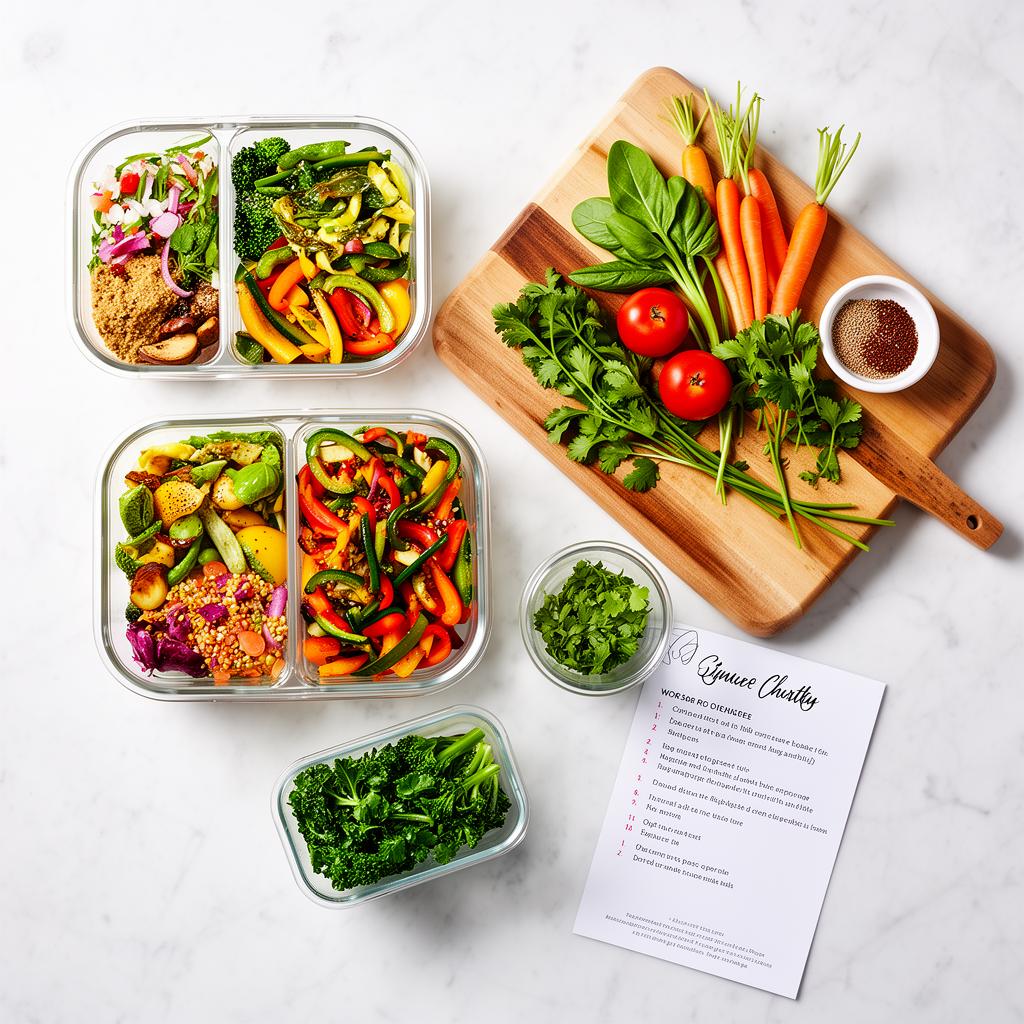
30 minutes: Cook 2 cups of grain + a large protein (sheet pan chicken thighs) 15-minute rest 30 minutes: Chop vegetables for the week, portion into containers. Assemble 4 smoothie bags. 15-minute rest 15 minutes: Pack 3-4 snack boxes. Write meal plan on whiteboard.
Total active time: ~75 minutes with two rest breaks. This covers roughly 70% of your weekday meals with minimal daily effort.
Nutrition That Supports Energy
While there's no "MS diet," certain nutritional patterns support energy and reduce inflammation:
Prioritize Protein
- Aim for 20-30g protein per meal
- Protein stabilizes blood sugar (preventing energy crashes) and supports muscle maintenance
- Easy sources: eggs, Greek yogurt, cottage cheese, rotisserie chicken, canned fish, protein powder
Anti-Inflammatory Foods
- Omega-3 fatty acids: Salmon, sardines, walnuts, flaxseed
- Colorful vegetables: The wider the color range, the broader the antioxidant coverage
- Turmeric and ginger: Natural anti-inflammatory compounds
- Berries: High in anthocyanins, which cross the blood-brain barrier
Hydration
Dehydration worsens fatigue, brain fog, and spasticity. Aim for 64-80 oz of water daily.
- Keep a water bottle everywhere you spend time
- Set hourly reminders if you forget to drink
- Herbal tea counts. Coffee counts (in moderation). Sugary drinks don't help.
What to Minimize
- Refined sugar. Blood sugar spikes and crashes mimic and worsen MS fatigue
- Ultra-processed foods. High sodium, low nutrition, inflammatory
- Alcohol. Even small amounts can worsen fatigue, balance, and cognitive symptoms
Asking for Help in the Kitchen
If you live with others, the kitchen is a great place to redistribute effort:
- Assign specific meals. "You handle Tuesday and Thursday dinners"
- Shared prep time. Cooking together on Sunday is more efficient and social
- Grocery delivery. Eliminate the most energy-expensive part of meal planning entirely
- Meal trains. If you're having a rough week, don't hesitate to ask your community for help. Most people genuinely want to help and don't know how.
Track your energy levels with Myelina Health to identify which days you have capacity for cooking, and which days you need those Tier 1 no-effort meals waiting in the fridge.