Diet and MS: Cutting Through the Noise
The internet is full of "MS diets" promising miraculous results. Let's be clear: no diet cures MS or replaces disease-modifying therapy. But dietary changes can meaningfully reduce inflammation and improve energy levels.
The Evidence-Based Approaches
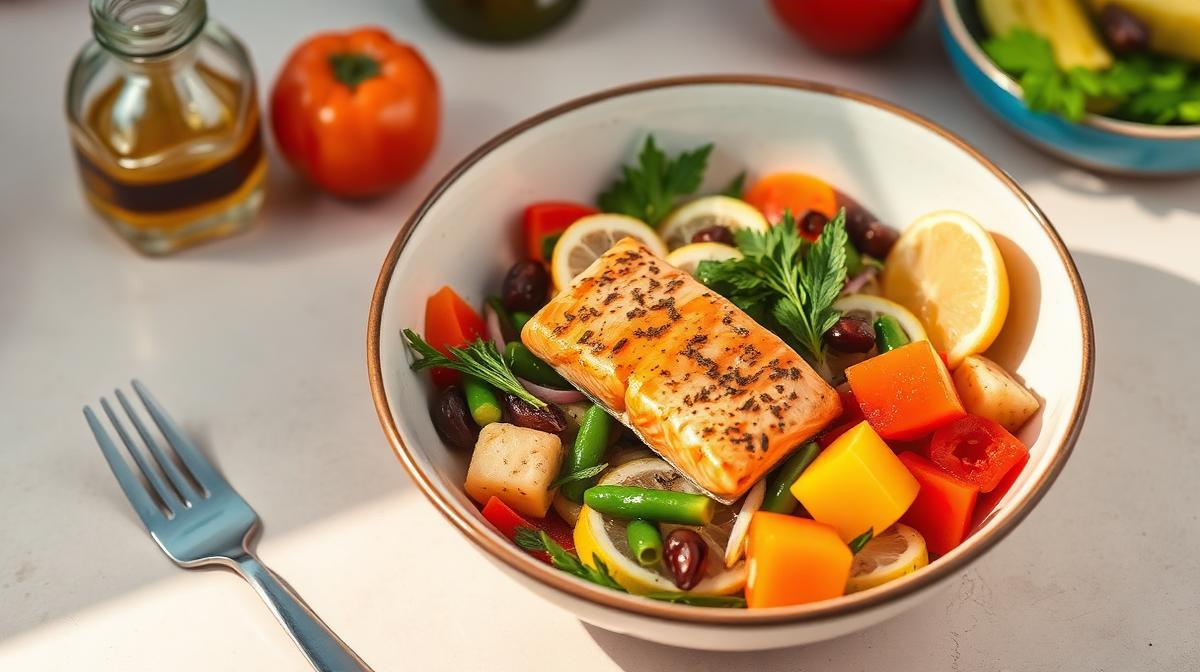
#### Mediterranean Diet The most studied dietary pattern for MS. Rich in olive oil, fish, vegetables, whole grains, and nuts. A 2023 study showed MS patients following a Mediterranean diet reported 20% less fatigue after 6 months.
#### Wahls Protocol Developed by Dr. Terry Wahls (who has MS herself), this approach emphasizes 9 cups of fruits and vegetables daily, organ meats, and eliminating processed foods and grains. Less rigorous research but strong anecdotal support.
#### Common Principles Both approaches agree on core principles:
- Increase omega-3 fatty acids (salmon, sardines, walnuts, flaxseed)
- Reduce processed foods and refined sugars
- Eat colorful vegetables, antioxidants fight inflammation
- Limit dairy and gluten (controversial, but many people with MS report improvement)
- Stay hydrated, dehydration worsens every MS symptom
Foods That Fight Fatigue
| Energy Boosters | Energy Drainers |
|---|
| Fatty fish (salmon, mackerel) | Processed sugar |
|---|---|
| Leafy greens | White bread, pasta |
| Berries | Alcohol |
| Nuts and seeds | Fried foods |
| Sweet potatoes | Artificial sweeteners |
| Green tea | Excessive caffeine |
Practical Tips
- Don't overhaul everything at once. Pick one change per week
- Meal prep on good energy days. Cook double batches and freeze portions
- Keep it simple. A good-enough meal you actually eat beats a perfect meal you're too tired to prepare
- Track dietary changes. Note what you ate as tags in your daily check-in and look for patterns
Use Myelina Health tags like "good diet day" or "processed food" to see how nutrition correlates with your energy over time. The patterns may surprise you.